Description
Soundproofing Metal Stud Walls
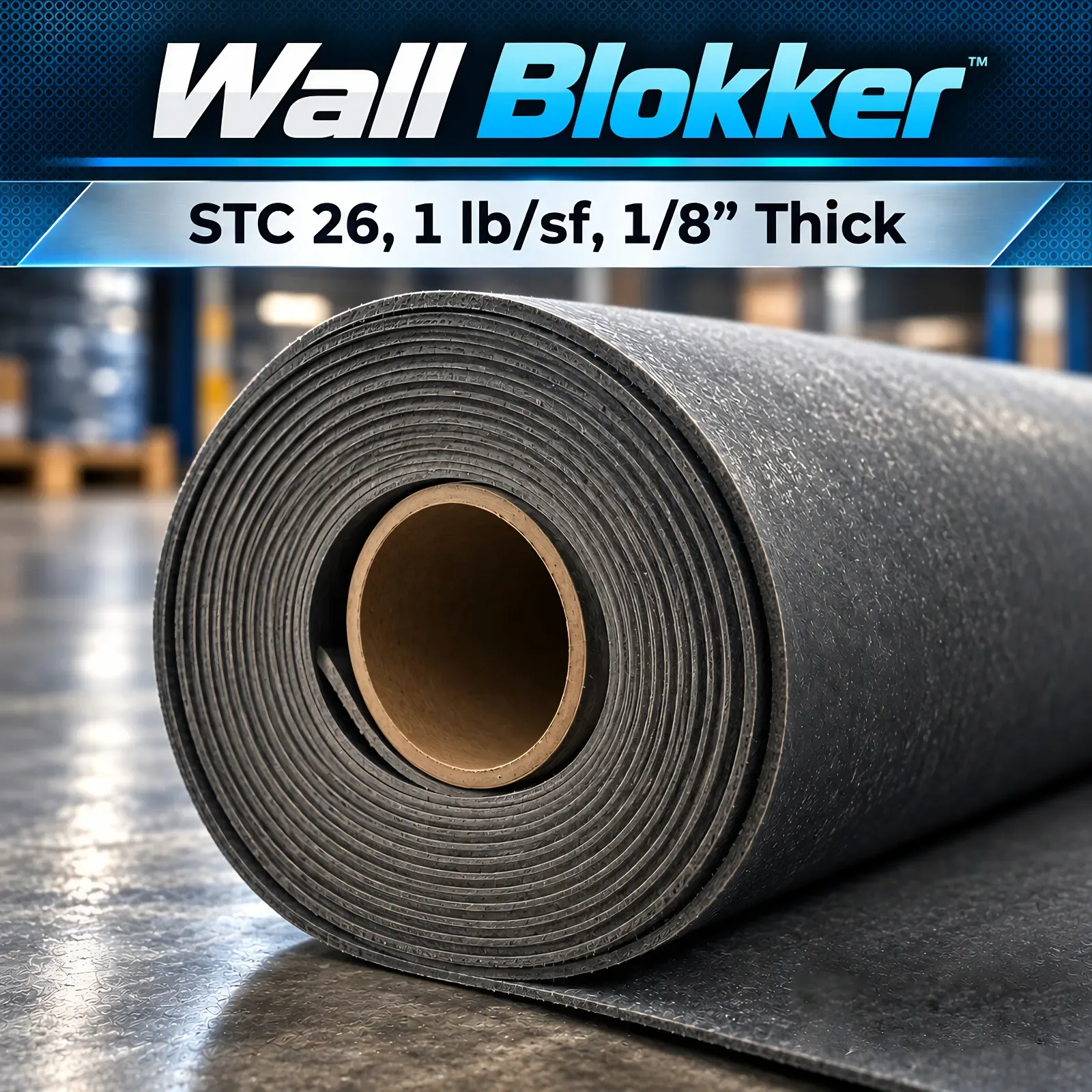
Steel studs flex, so they already decouple part of the wall. What a metal-stud wall lacks is mass, and mass is cheap to add. Heavier vinyl is mostly wasted here.
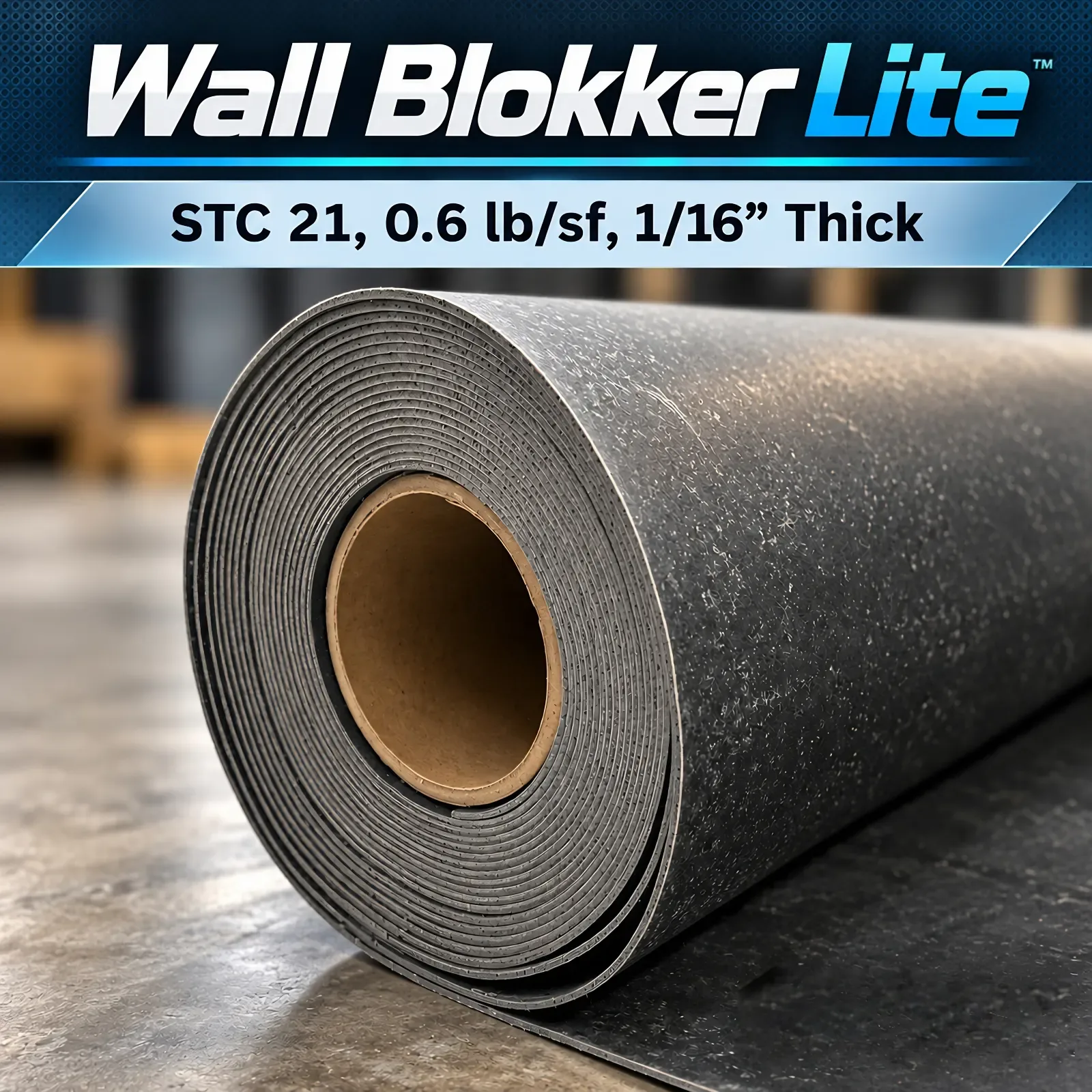
- STC 21 minimum at 0.6 lb/sf. Adds 6 to 11 STC points on 20- and 25-gauge steel studs.
- 1/16″ thick. Half the thickness of standard 1/8″ MLV, so jambs, outlets and trim still line up.
- About 60 lb per 100 sf roll. Light enough for one person to hang.
Where Wall Blokker Lite Fits
- Offices and demising walls that need an STC number without a double-stud wall.
- Multi-family and hospitality corridor and unit walls, where cost per square foot decides it.
- Medical and professional offices for speech privacy between rooms.
- Retrofit over existing drywall, adding the least thickness of the three.
On wood studs, use Wall Blokker or Wall Blokker Pro instead.
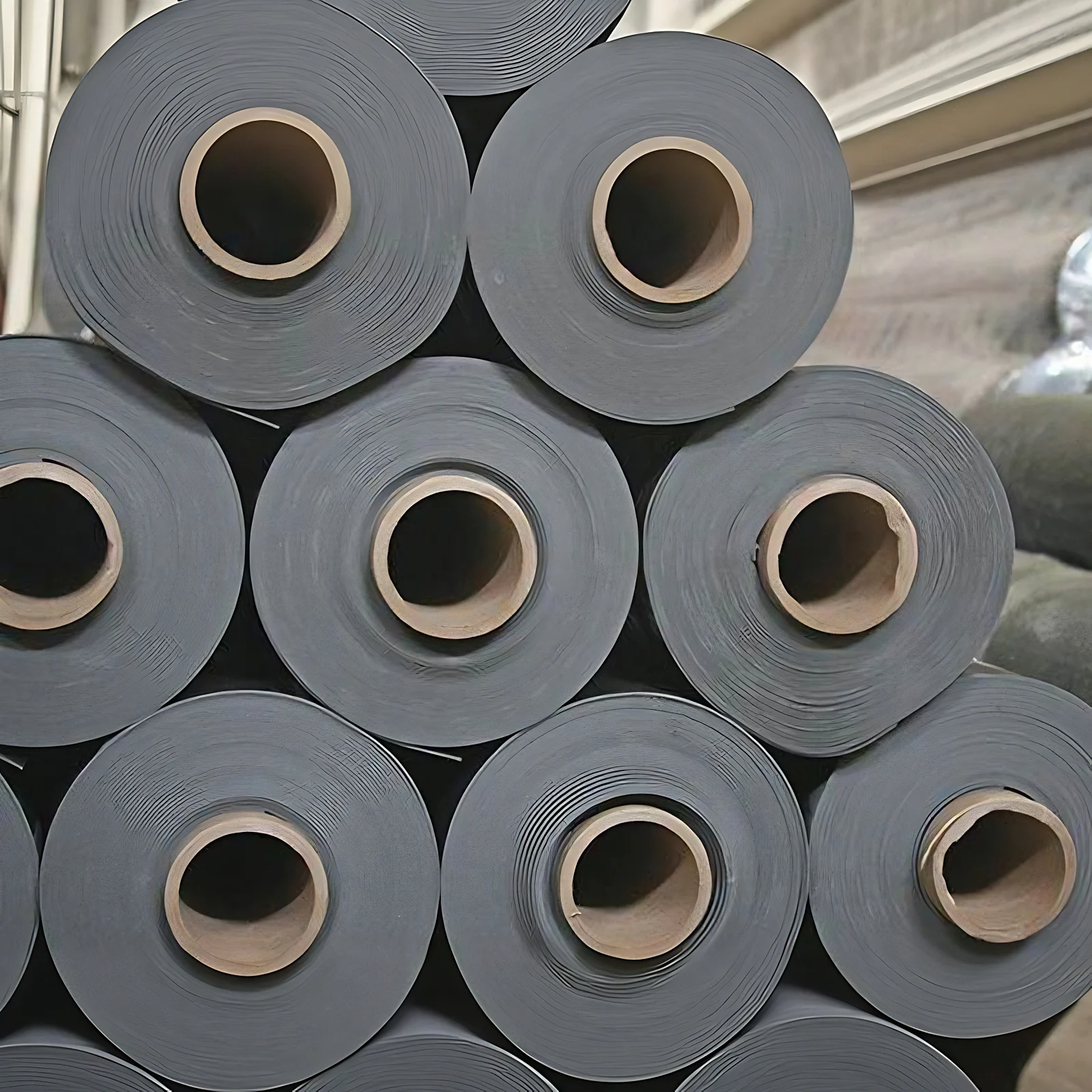
How to Install Wall Blokker Lite
- Hang it. 1/2″ staples or pan-head screws into the studs, vertically, with seams on a stud.
- Seal every seam with MLV seam seal tape and the perimeter with acoustical caulk. Any gap leaks sound.
- Cut penetrations tight with a utility knife; use an Outlet Blokker on boxes.
- Cover with drywall and finish as normal.
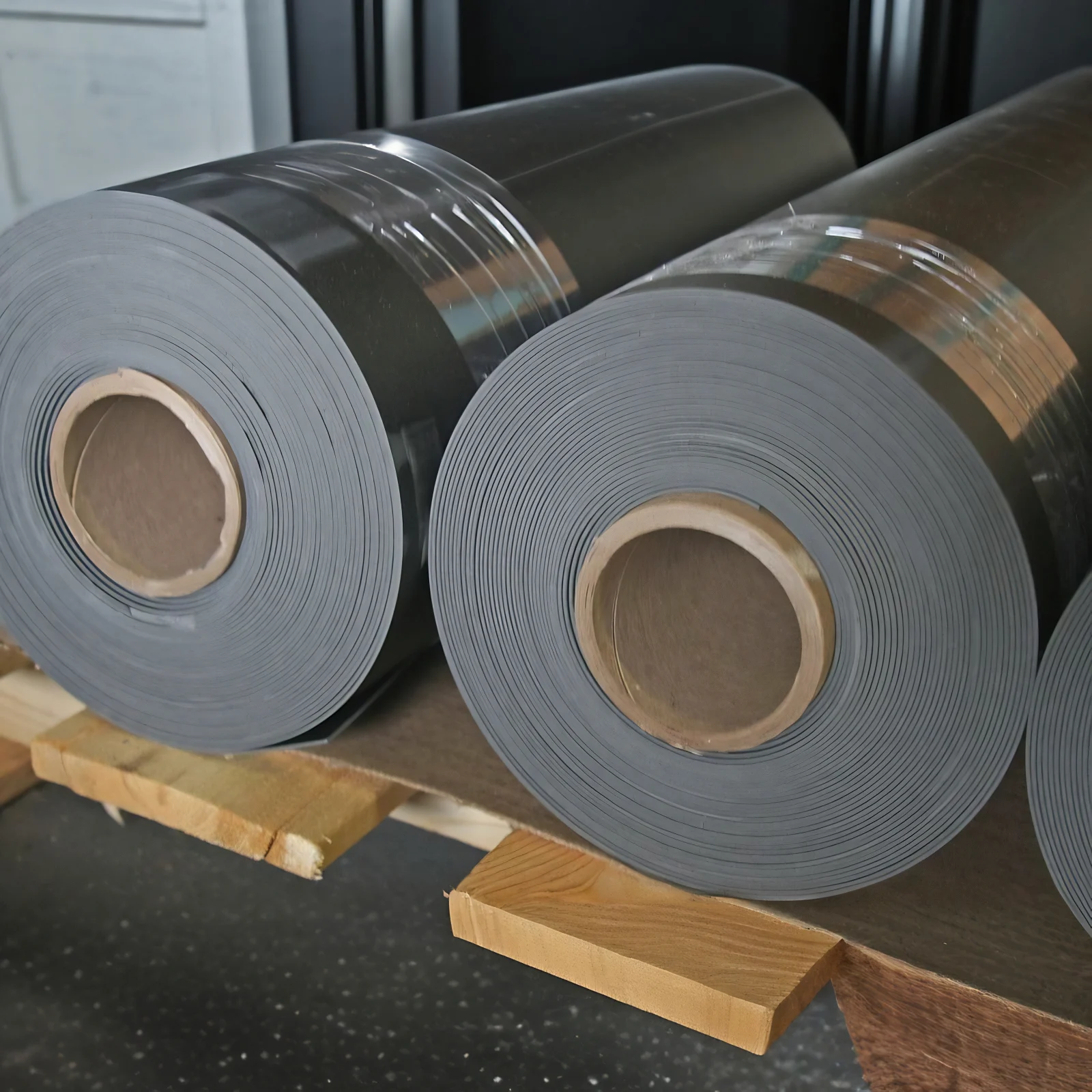
- Coverage: one roll covers 100 sf (12’6″ at 8′ high). Add 10% for overlap.
Frequently Asked Questions
- What is the difference between Wall Blokker Lite and Wall Blokker?
- Lite is 0.6 lb/sf at 1/16″ and built for metal studs. Wall Blokker is 1 lb/sf at 1/8″ and the better choice on wood studs.
- Will Wall Blokker Lite work on wood studs?
- It helps, but wood studs need more mass. Use Wall Blokker or Wall Blokker Pro.
- What does STC 21 mean?
- Sound Transmission Class measures how much sound a wall blocks. STC 21 is the sheet alone; on a steel stud wall it adds 6 to 11 points.
- How much do I need?
- One 4′ x 25′ roll covers 100 sf. Add 10% for overlap and cover the whole surface; gaps undo the rest.
- Can it go over existing drywall?
- Yes. Fasten through the drywall into the studs, seal the seams, and add a new layer of drywall.
- Will it stop echo in the room?
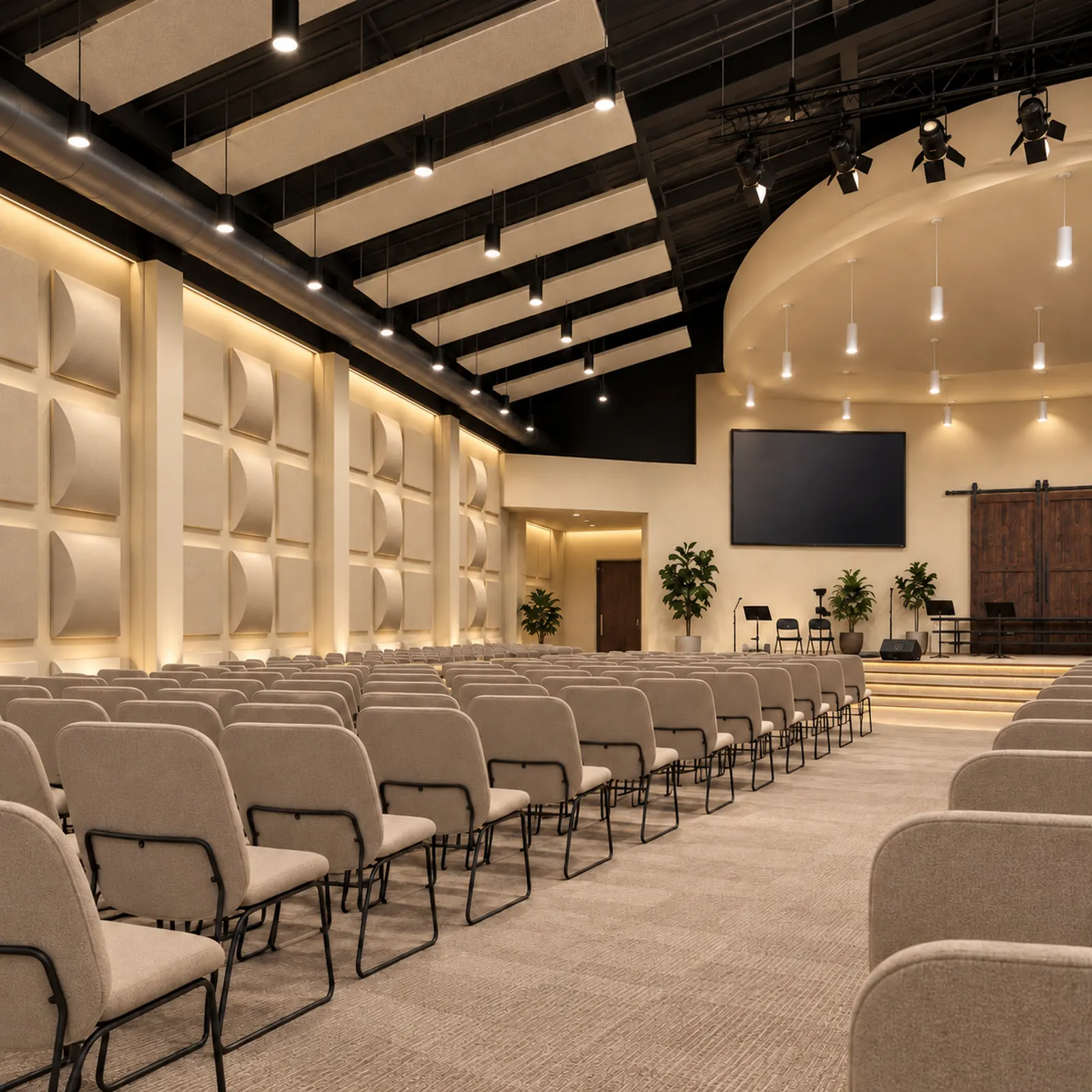
- No. Barriers block sound through the wall. For echo, use sound absorbing wall panels or acoustic ceiling clouds.
Which Mass Loaded Vinyl Do You Need?
All four come as a 4′ x 25′ roll covering 100 square feet. The difference is how much mass you need, and that depends on what you are fixing it to:
| Product | Price | Cost / sf | Weight | Thickness | Wall improvement | Best for |
|---|---|---|---|---|---|---|
| Wall Blokker Lite | 0.6 lb/sf | 1/16 in | +6 to 11 STC | Metal stud walls, and anywhere the lightest roll matters | ||
| MLV Sound Barrier | 1 lb/sf | 1/8 in | +10 STC or more | Standard vinyl barrier for walls, floors and ceilings | ||
| Wall Blokker | 1 lb/sf | 1/8 in | +6 to 12 STC | Wood or metal stud walls – the default choice | ||
| Wall Blokker PRO | 1.1 lb/sf + scrim | 3/16 in | +3 to 5 STC over Wall Blokker | Wood studs, party walls, or over an existing wall |