
Description
Acoustic Rubber Underlayment for Footfall Noise
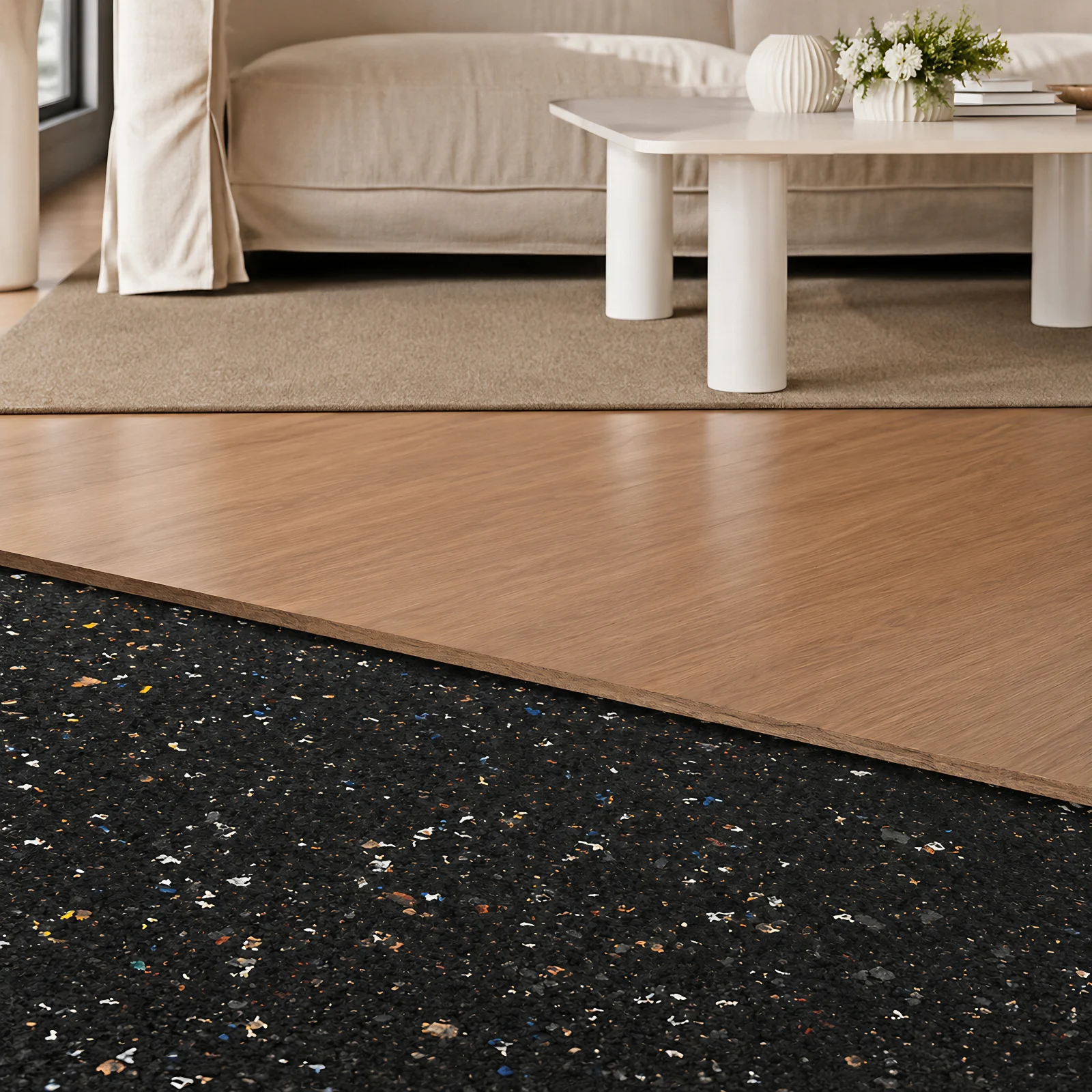
Footsteps, dropped objects and chair scrapes travel through a floor as vibration, not just sound. AcoustiStep is an acoustic rubber underlayment that absorbs that impact energy before it reaches the subfloor, so less of it reaches the room below. It goes directly on top of a plywood or concrete subfloor and directly under the finish floor.
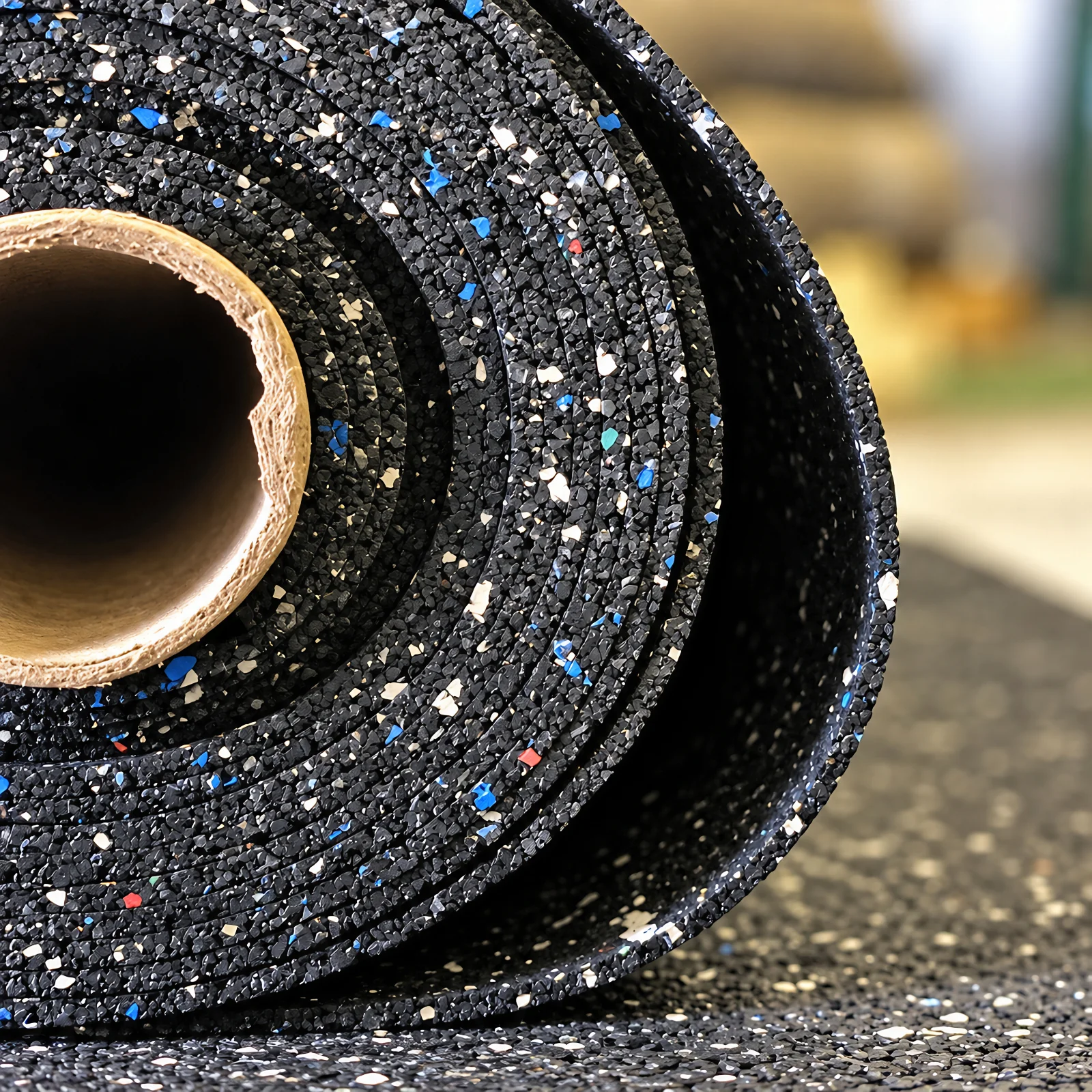
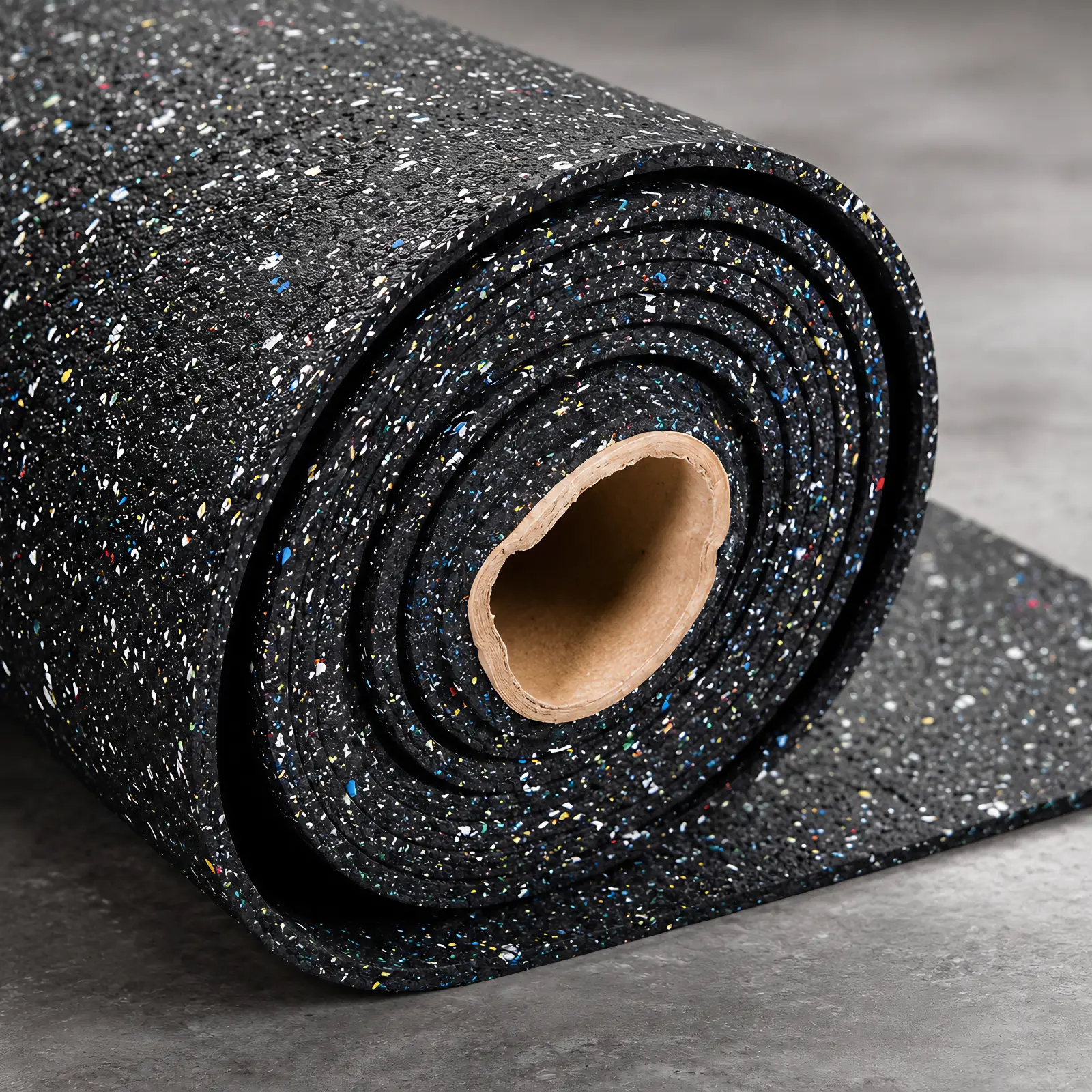
The mat is made from 100% pre-consumer recycled rubber crumb. It lays flat, resists mold and mildew, and adds a little cushion underfoot. It can contribute to LEED projects.
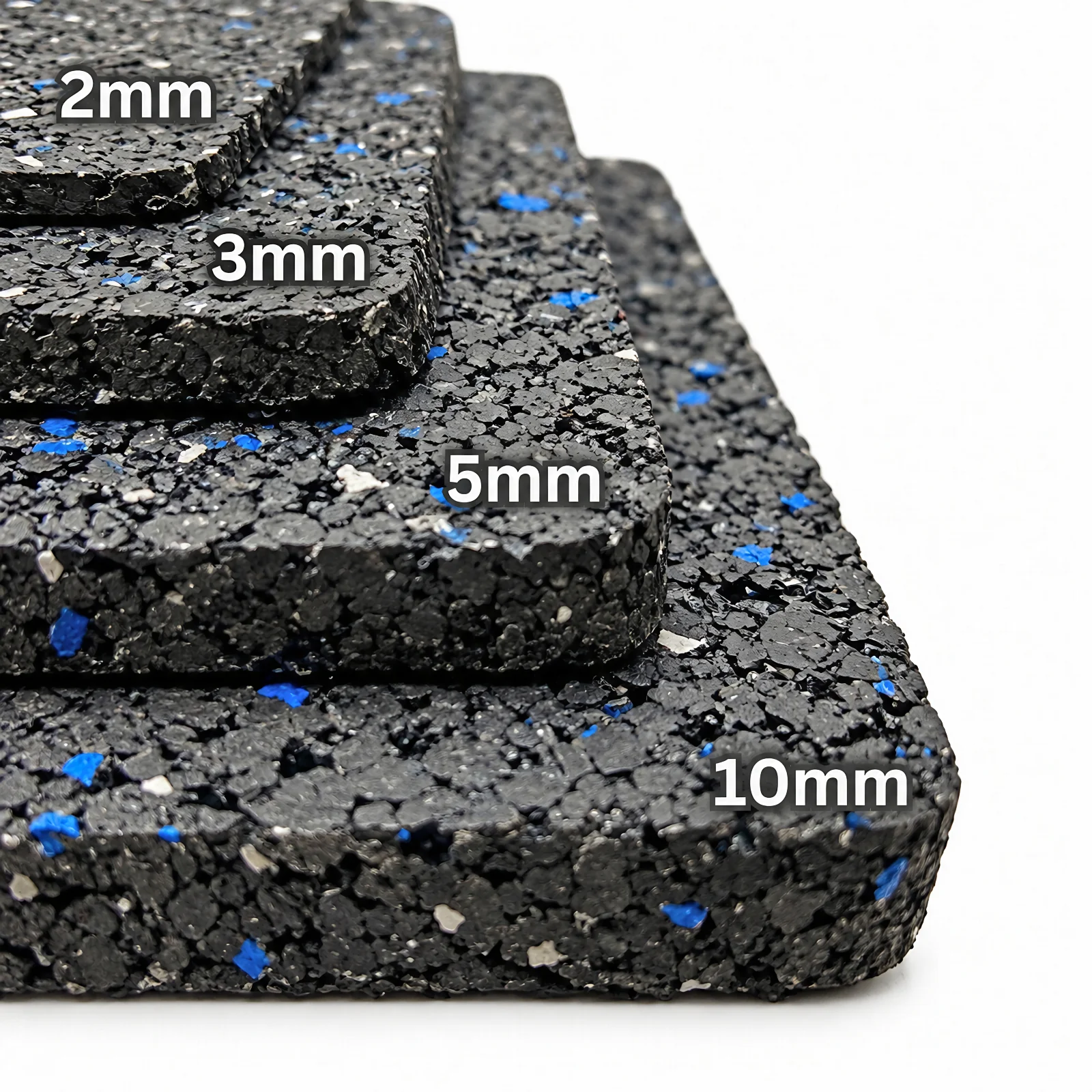
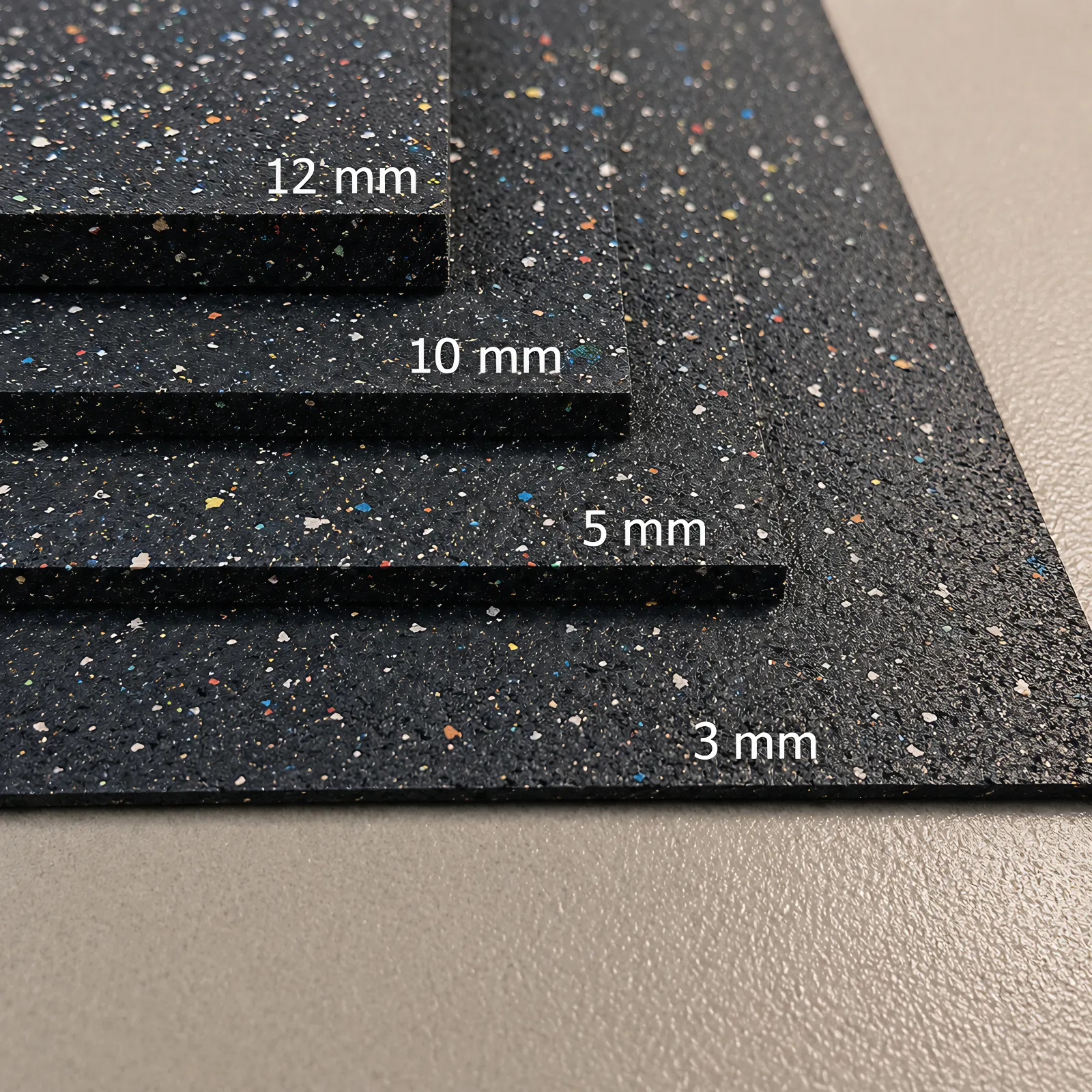
Rubber Sound Mat Thickness and Roll Sizes
Every roll is 4 ft wide. The thinner mats come on longer rolls, so check coverage as well as price when you compare thicknesses.
| Thickness | Roll | Weight | Impact Noise (Delta IIC) | Best For |
|---|---|---|---|---|
| 2mm | 4 x 50 ft200 sq ft | 66 lbs | 20 | Floating laminate and engineered wood where floor height is tight |
| 3mm | 4 x 50 ft200 sq ft | 100 lbs | 23 | Hardwood and LVT in houses and townhomes |
| 5mmBest seller | 4 x 25 ft100 sq ft | 84 lbs | 25 | The all-round choice for apartments and condos |
| 10mm | 4 x 25 ft100 sq ft | 167 lbs | 26 | The quietest result: home gyms, or a bedroom over a living space |
Thicker rubber blocks more impact noise but raises the floor more, so match the thickness to the floor you are putting over it.
Soundproof Floor Underlayment for Hardwood, Laminate, LVT and Tile
- Laminate and floating engineered wood. Roll the mat out loose, then float the floor over it as the manufacturer directs.
- Nail-down hardwood. Unroll AcoustiStep across the whole room first, then nail the hardwood through it.
- Glue-down hardwood. Glue the mat to the subfloor with a urethane adhesive, let it cure for 8 hours, then glue the hardwood to the mat.
- LVT and vinyl plank. Glue 2mm and 3mm to the subfloor and the LVT to the mat. With 5mm and thicker, glue only the LVT to the mat.
- Ceramic tile and stone. The mat must be glued to the subfloor. Set the tile with a latex-modified thinset keyed into the rubber.
AcoustiStep is not a sub-gypcrete underlayment. Do not pour gypsum concrete over it.
Acoustic Underlayment IIC Ratings
IIC (Impact Insulation Class) measures how well a floor and ceiling stop footstep noise. Building codes for multi-family housing typically require IIC 50. Delta IIC is how many points the underlayment itself adds over the same floor without it. AcoustiStep adds 20 to 26 points, depending on thickness.
- IIC 50+ on wood or concrete subfloors, with any finish floor
- IIC 60+ on concrete subfloors with no ceiling below
- IIC 70+ on concrete subfloors with a resiliently mounted ceiling
Results depend on the whole assembly: subfloor, finish floor and ceiling. Full assembly results are in the AcoustiStep IIC lab tests from our sister company, Commercial Acoustics.
How to Install a Sound Dampening Floor Mat
- Acclimate it. Leave the rolls and the flooring in the room for 48 hours at 65°F or warmer.
- Prep the subfloor. It should be clean, dry and level to within 1/8 in over 3 ft. Patch cracks in concrete and set or remove any nails.
- Roll it out. Start in a corner, flush to the wall, and run the mat perpendicular to the finish floor. Butt the edges tight with no gaps or overlaps. Taping the seams is optional.
- Glue it if the floor needs it. For tile, stone and glue-down floors, roll back half the sheet, trowel adhesive with a 3/16 in V-notch trowel, lay it back down and press it in with a 50 to 100 lb roller.
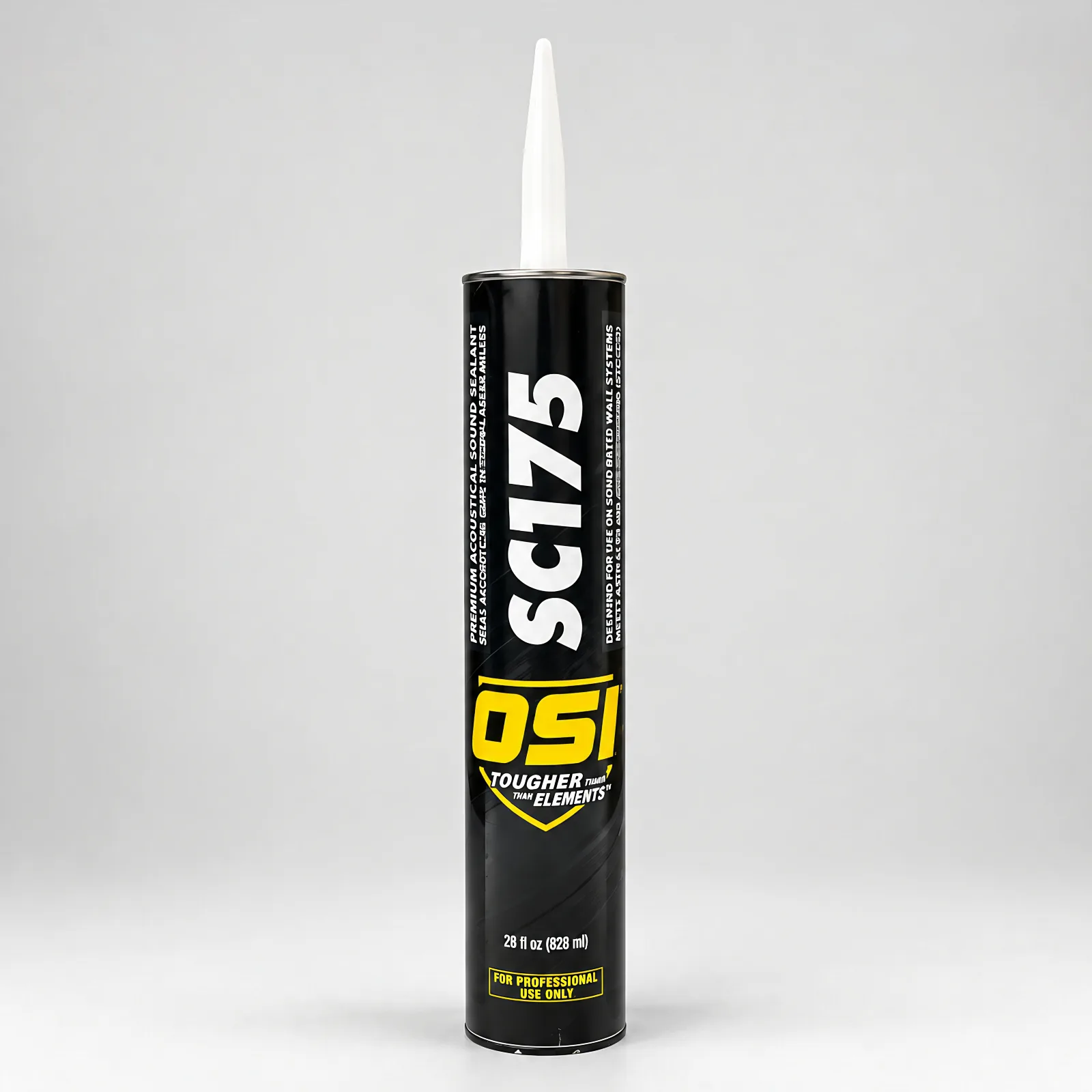
- Stop the flanking path. Hold baseboards slightly off the finished floor and seal the gap with acoustical caulk, not grout, so the floor never touches the walls.
The full AcoustiStep installation instructions (PDF) cover each floor type step by step. To compare AcoustiStep with other options, see our guide to the best soundproof underlayment for floors.
Frequently Asked Questions
- What is acoustic underlayment?
- A layer that goes between the subfloor and the finish floor to reduce noise. AcoustiStep is a rubber sound mat. It absorbs footstep and impact vibration so less noise passes to the room below.
- What thickness of rubber underlayment do I need?
- Every thickness is rated IIC 50+ on wood or concrete subfloors. For most homes and apartments, 3mm or 5mm is the usual pick. Choose 2mm when floor height is tight, and 10mm when you want the most impact noise reduction.
- Can rubber underlayment go under tile?
- Yes. For ceramic tile and stone, glue the mat to the subfloor with a urethane adhesive, then set the tile with a latex-modified thinset. Leave a 3/16 in gap at the walls and fill it with caulk, not grout.
- Does AcoustiStep work under LVT?
- Yes. With 2mm and 3mm, glue the mat to the subfloor and the LVT to the mat. With 5mm and thicker, glue only the LVT to the mat.
- Does it block airborne noise like voices and TV?
- Mostly it stops impact noise. For airborne noise, the floor and ceiling need mass, which is what Floor Blokker adds.


Reviews
There are no reviews yet.