
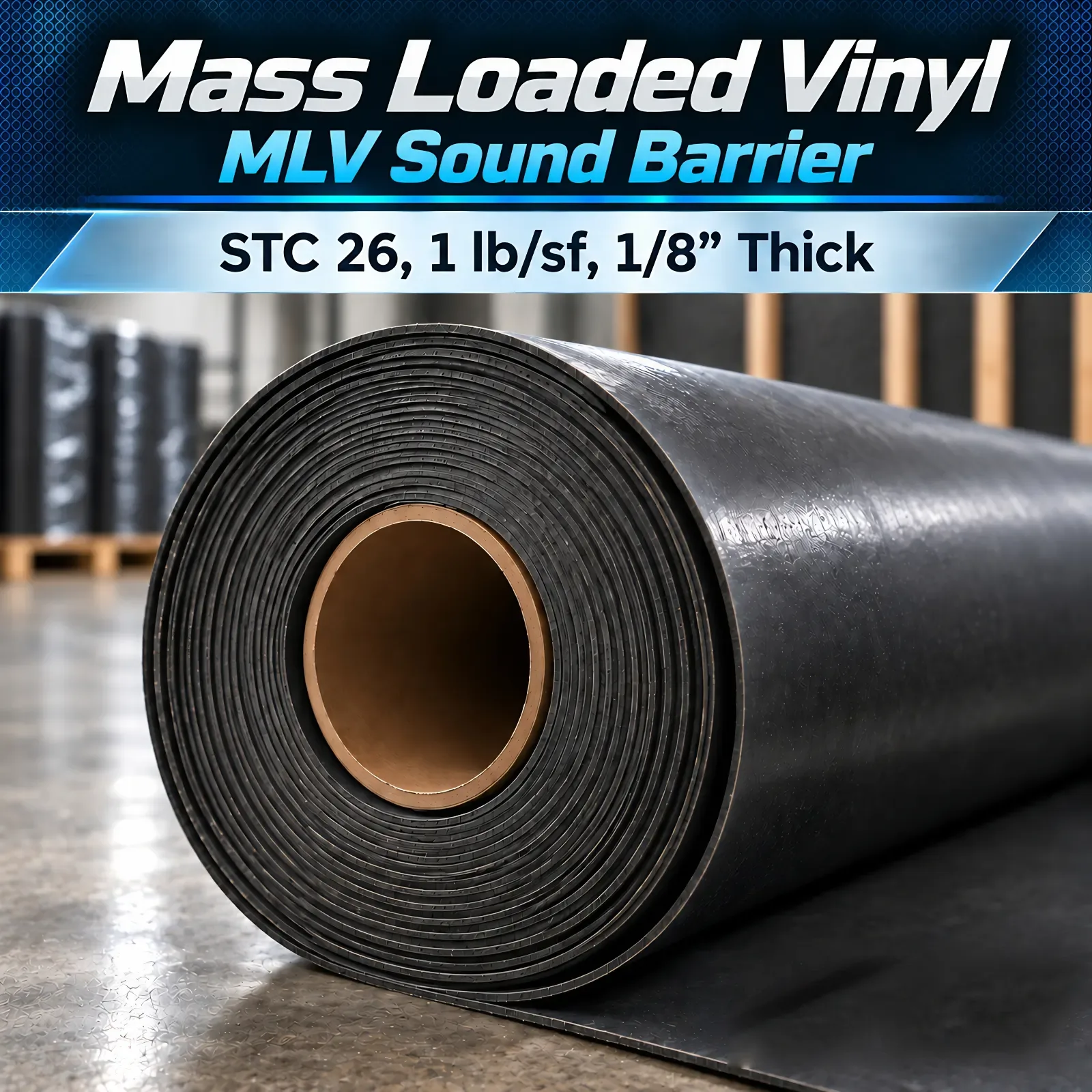
Description
How Mass Loaded Vinyl Blocks Sound
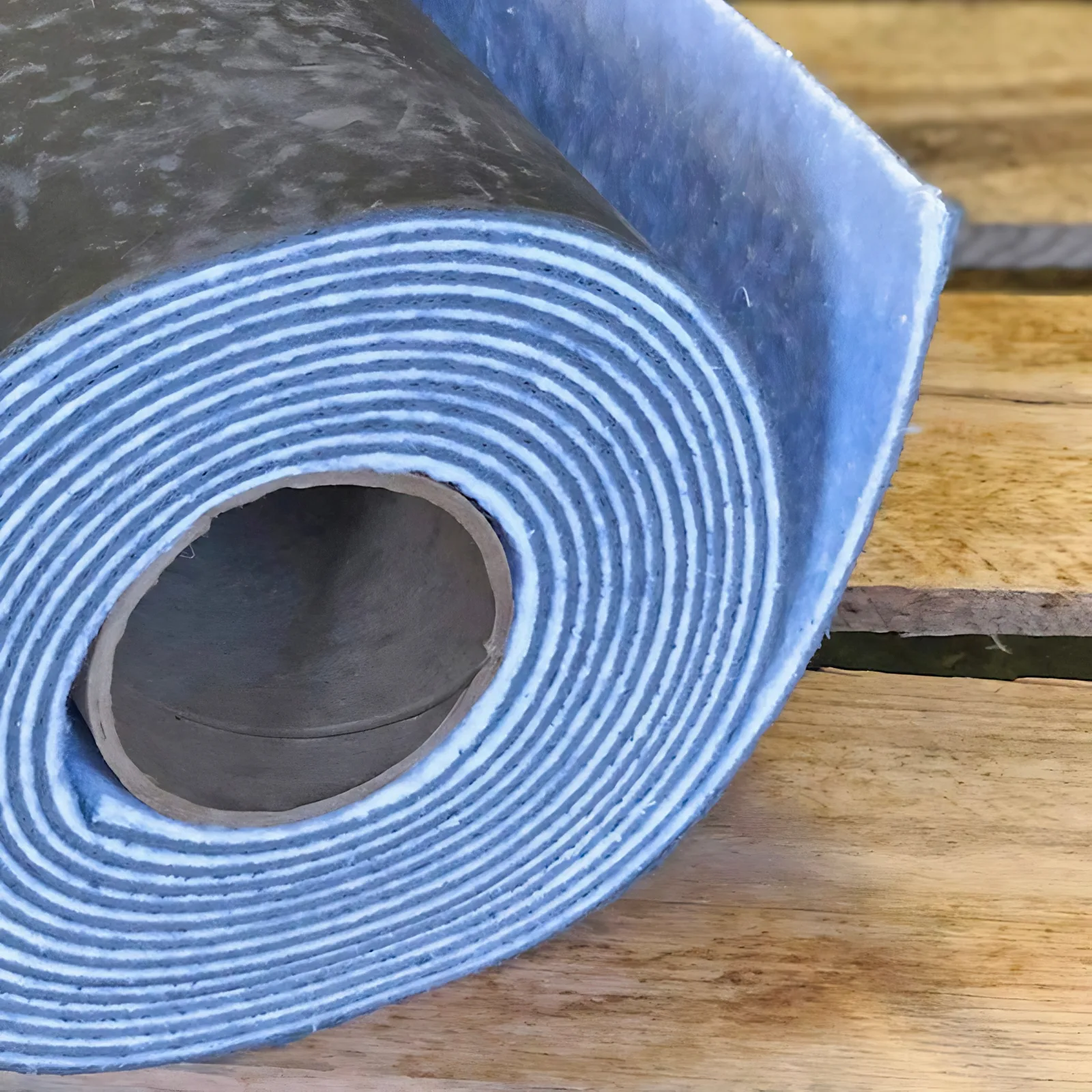
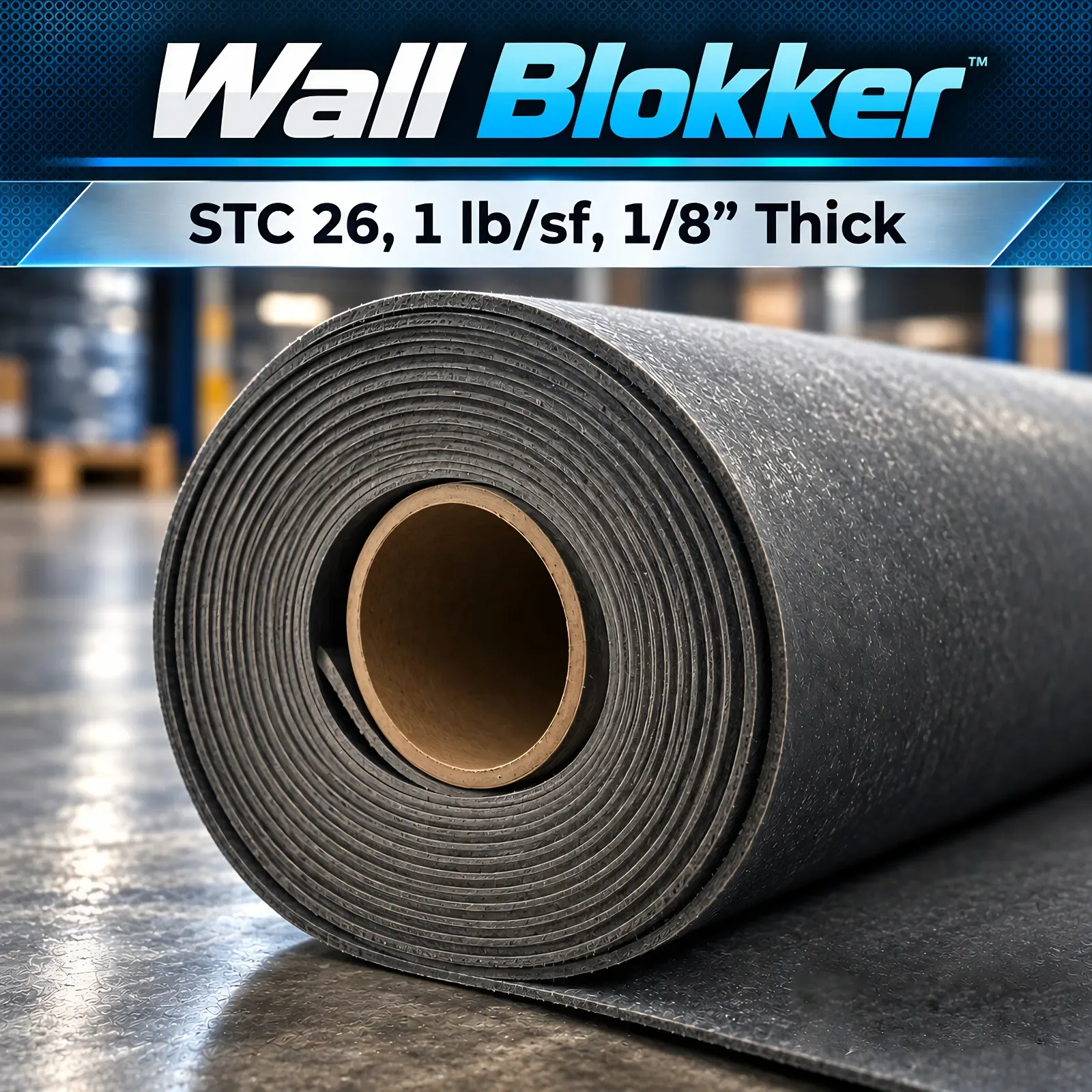
Acoustics has two jobs that need opposite materials. Absorption soaks up sound inside a room; blocking stops it getting into the next one. Mass loaded vinyl blocks – and nothing light enough to let air through will do that job.
Sound crosses a wall by making it flex. Two things stop that:
- Mass. A heavier layer moves less for the same push. It is why a concrete wall is quiet and a hollow door is not.
- Limpness. Stiff drywall has resonant frequencies where it leaks badly. MLV is vinyl loaded with dense mineral filler – heavy but floppy, with no weak frequencies for sound to slip through.
That is why 1/8″ of MLV at 1 lb per square foot outperforms materials many times its thickness.
What STC 26 Means for MLV Soundproofing
STC – Sound Transmission Class – rates how much sound an assembly stops. Every 10 points is roughly half as loud.
STC 26 is the sheet on its own, but you never install it on its own. What it does to the wall is what counts:
- One layer adds 10+ STC points to a wood- or metal-frame wall.
- A single stud wall with MLV and drywall each side reaches STC 56+, above code for multi-family and hospitality work.
- It does the work of 3 to 4 layers of drywall at a fraction of the cost and 1/8″ of depth.
Where a Mass Loaded Vinyl Sound Barrier Works Best
Anywhere sound travels through a structure rather than around a room:
- Party walls in apartments, condos, hotels and student housing.
- Home theaters and studios – keep the low end in and the house out.
- Between floors – pair it with AcoustiStep underlayment where footsteps are the problem.
- Equipment enclosures – it wraps and molds around the noise source, which rigid barriers cannot.
- Ducts and pipes – or use the purpose-made Pipe Blokker.
- Ceilings and floors – see Ceiling Blokker and Floor Blokker.
How to Install Mass Loaded Vinyl Rolls
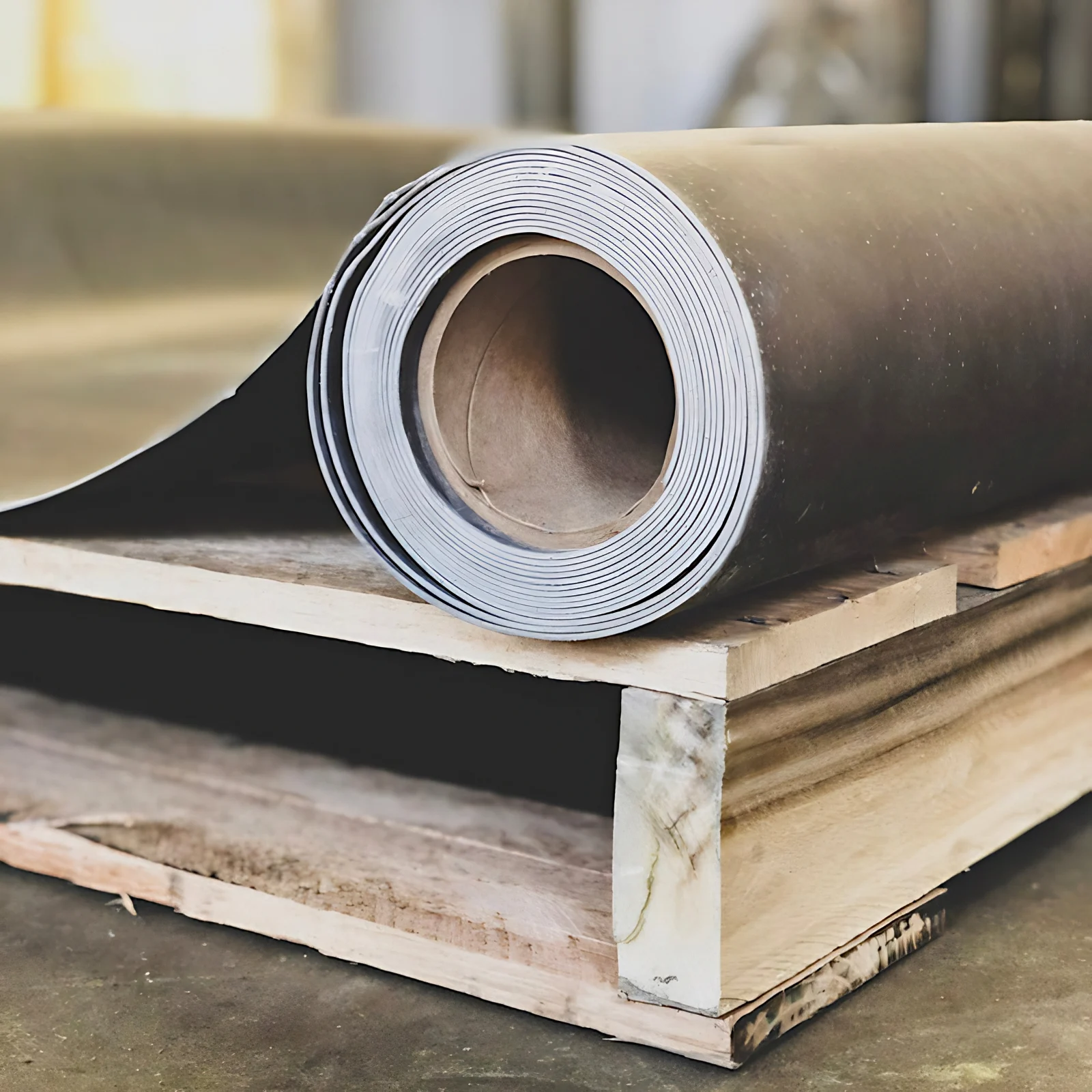
A 4′ x 25′ roll covers 100 square feet and weighs about 100 lb – plan on two people and a sharp utility knife.
- Fix it to the framing – staple or screw it to wood or metal studs, or over existing drywall.
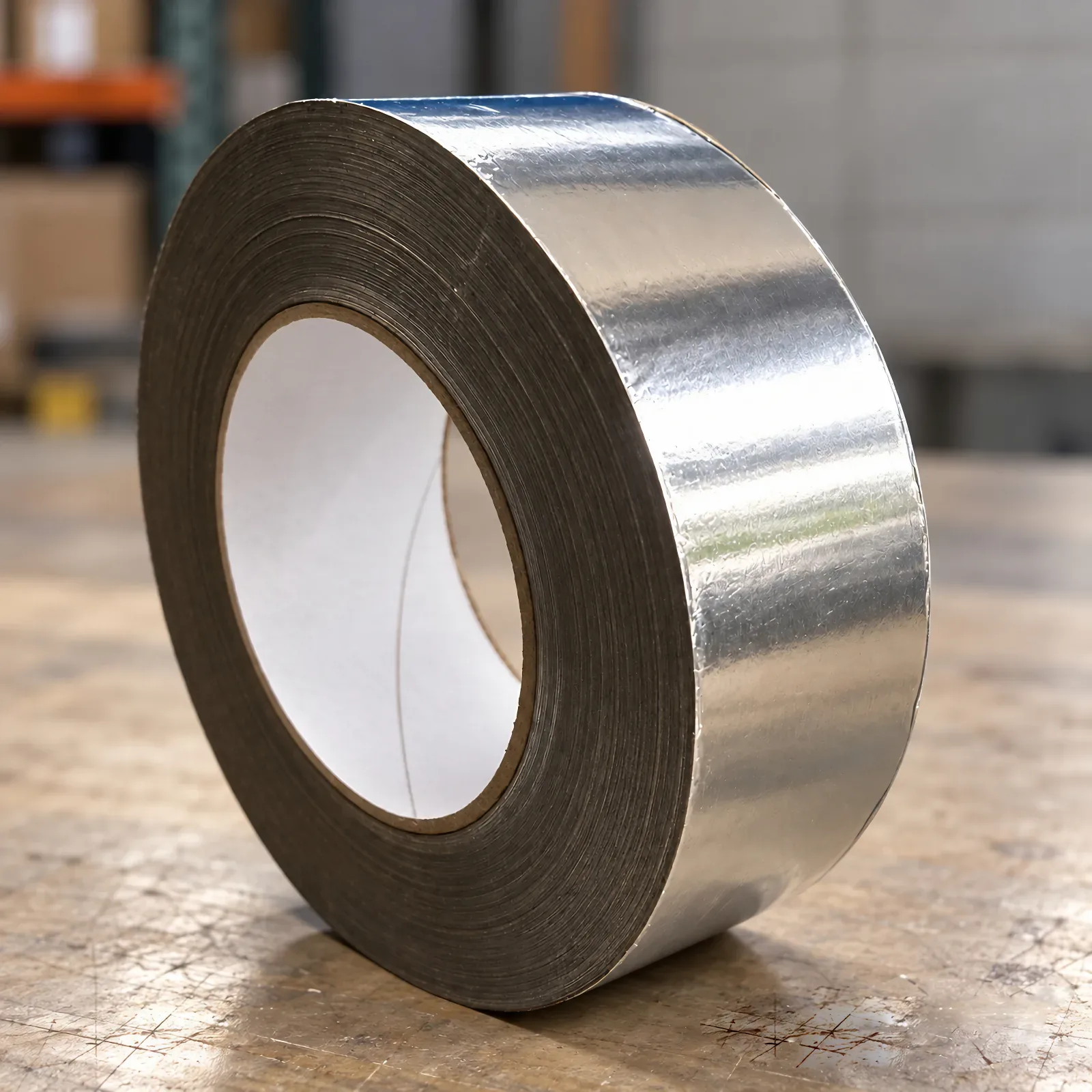
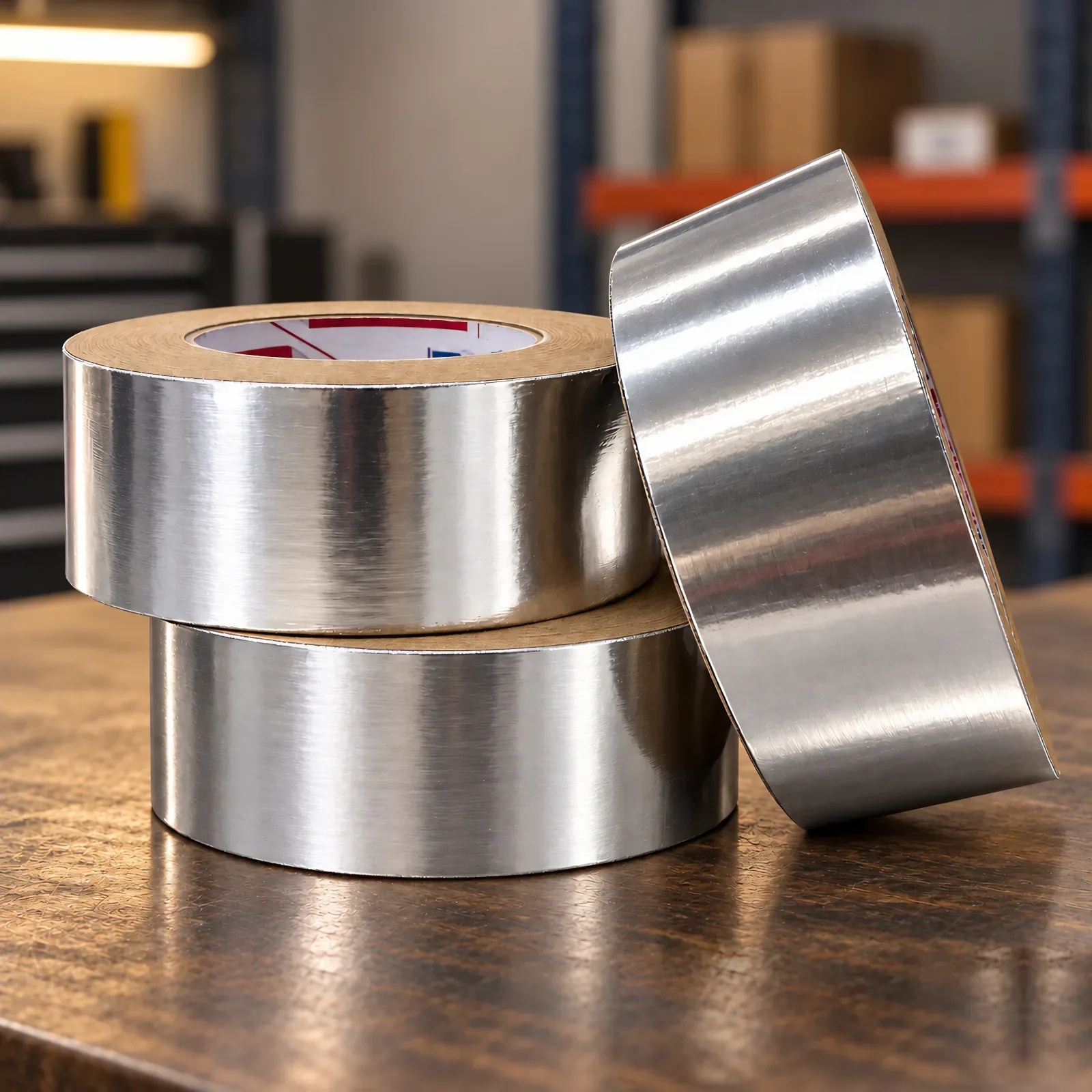
- Seal every seam. A gap passes sound as if the barrier were not there. Overlap the edges, tape them with MLV seam seal tape, and caulk the perimeter with acoustical caulk.
- Cover it with a new layer of drywall, finished as normal.
- Seal the holes. An Outlet Blokker handles outlet and switch boxes.
For Commercial Pricing on Mass Loaded Vinyl, contact Commercial Acoustics.
Frequently Asked Questions
- What is mass loaded vinyl?
- A thin, heavy, flexible sheet – vinyl loaded with mineral filler – installed inside a wall, floor or ceiling to stop sound passing through. Ours is 1/8″ thick, 1 lb per square foot, in 4′ x 25′ rolls.
- What does STC 26 mean?
- It is the rating of the sheet by itself. Added to a wood- or metal-frame wall, one layer lifts the assembly 10+ STC points.
- How much mass loaded vinyl do I need?
- One 4′ x 25′ roll covers 100 square feet – an 8′ high wall 12’6″ long is exactly one roll. Add about 10% on longer runs for seam overlap, and cover the whole surface: gaps leak.
- Does MLV go over or under drywall?
- Either. On the studs under new drywall is tidiest; over existing drywall with a fresh layer on top avoids stripping a finished room.
- Is mass loaded vinyl sound deadening or soundproofing?
- Both terms get used for it. Strictly, it blocks airborne sound and damps the surface it is fixed to. It does not quieten the room you are standing in – that is absorption.
- Is this the same as AudioSeal or Soundsulate MLV?
- Same class of material; those are other companies’ brands. Compare rolls on weight, thickness and STC – ours is 1 lb/sf, 1/8″, STC 26.
- Can mass loaded vinyl be used on floors and ceilings?
- Yes – only the fixing changes. Floor Blokker and Ceiling Blokker are the assemblies built around it.
- Will mass loaded vinyl stop echo in a room?
- No. MLV stops sound leaving or entering a room, not echo inside it. For that you want sound absorbing wall panels or acoustic ceiling clouds.
Which Mass Loaded Vinyl Do You Need?
All four come as a 4′ x 25′ roll covering 100 square feet. The difference is how much mass you need, and that depends on what you are fixing it to:
| Product | Price | Cost / sf | Weight | Thickness | Wall improvement | Best for |
|---|---|---|---|---|---|---|
| Wall Blokker Lite | 0.6 lb/sf | 1/16 in | +6 to 11 STC | Metal stud walls, and anywhere the lightest roll matters | ||
| MLV Sound Barrier | 1 lb/sf | 1/8 in | +10 STC or more | Standard vinyl barrier for walls, floors and ceilings | ||
| Wall Blokker | 1 lb/sf | 1/8 in | +6 to 12 STC | Wood or metal stud walls – the default choice | ||
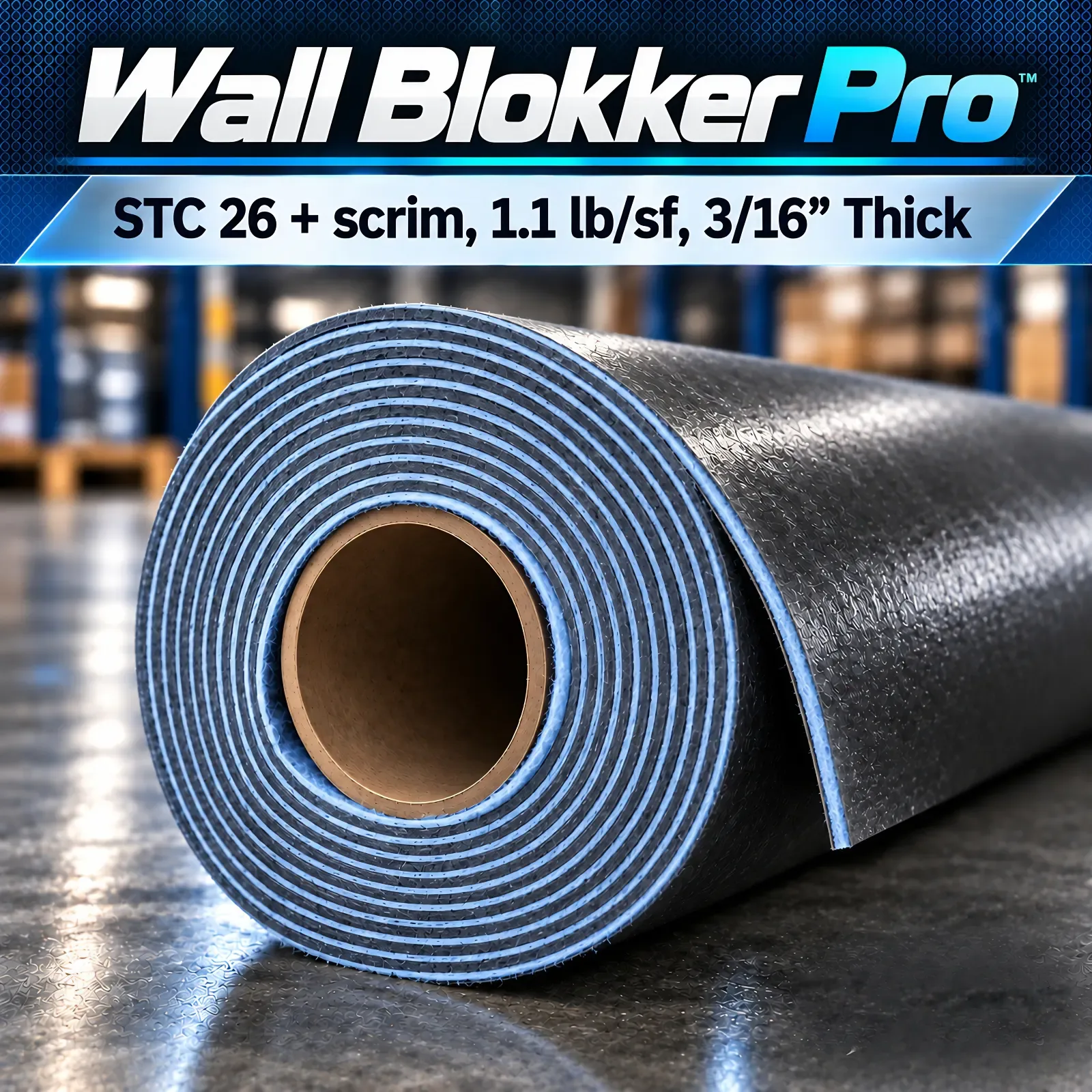
| Wall Blokker PRO | 1.1 lb/sf + scrim | 3/16 in | +3 to 5 STC over Wall Blokker | Wood studs, party walls, or over an existing wall |


Chelsi Jong –
my client asked that i use the vinyl sound barrier they sell here. We ordered it and got it 3 days later – really pleased with the quality. Truck had a lift gate to help us get it down or i wouldve needed 2-3 guys to help unload the pallet. installed on ceiling/walls/floors – it was quiet before we even put the drywall on! super pleased with customer support and product.
Kim Salling –
We installed this product on metal studs with excellent results! Had a consultant come and test afterward with good stc
Roger Stanley –
The Mass Loaded vinyl is really heavy stuff. It seemed to do the job on our walls well though. We had our contractor put it into the movie studio/theater and the master bed wall, and both of them are really quiet for us now…
Gene upshaw –
we use this in our walls now when we build new. Works fine – good price.
Raj Gupta –
I wanted to calculate the estimated price of soundproofing for walls, ceiling, and fooring, Could you please advise?, how much pressure-sensitive adhesives consumed in MLV sound barrier. What will be the cost of adhesives?
Walter Peek –
In most cases, you should budget an additional $2-$3/sf for soundproofing with Mass Loaded Vinyl. This allows for PSAs (Pressure Sensitive Adhesives) along with labor and material for installing the MLV.
Gordo –
I am looking to use this as a temporary sound proofing measure for a vocal booth in an apartment; however, the reviews here sound like it comes in a quantity that exceeds both my needs and ability to carry into my apartment (one reviewer mentioned needing a truck lift gate and multiple men to lift the pallet). Is my impression accurate? If so, are there any other size/quantity options?
Rachel –
Hi Gordo,
Yes, this material weighs 1 lb/sf and only comes in 4’x25′ rolls weighing 100 lbs total. Unfortunately, we don’t sell this in any other sizes, but the material is easily cut using a utility knife or razor blade, so you could cut the roll into sheets prior to carry it inside.