
Acoustic Panels & Echo

13 Types of Acoustic Wall Panels: Compared by Material

Most people picture one fabric-wrapped rectangle, but there are thirteen common types of acoustic wall panel, and they aren’t interchangeable. Some are built to absorb sound, and some mostly look like they do. This guide sorts them into porous, resonant and perforated, decorative, and specialist panels, then compares them side by side. You’ll see how each type absorbs sound, how many panels a room needs, and how to choose the right one the first time.
Continue Reading
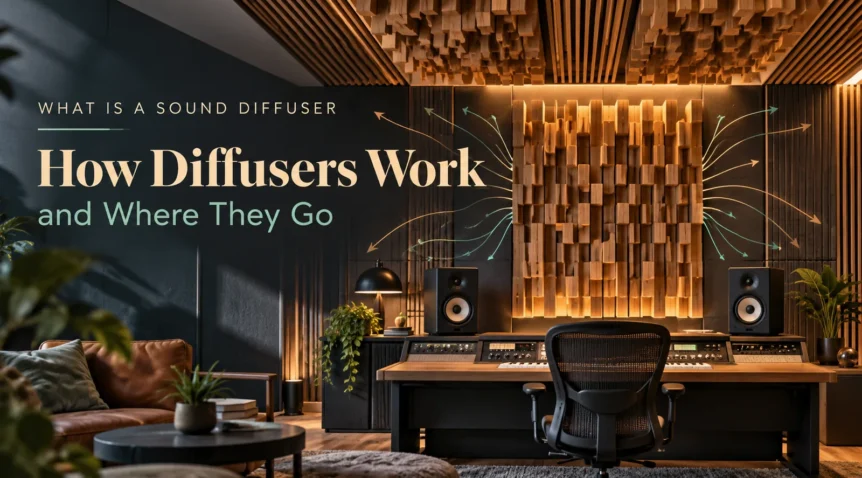
What Is a Sound Diffuser? How Diffusers Work & Where They Go!

A sound diffuser scatters sound in many directions instead of soaking it up, so a room loses its echo without sounding dead. This guide explains what a diffuser is, how it differs from an absorber, and the main types of acoustic diffuser. It also shows where to put diffusers on a wall, when ceiling diffusers make sense, and which rooms really benefit from diffusion once the absorbing panels are in place.

Continue Reading
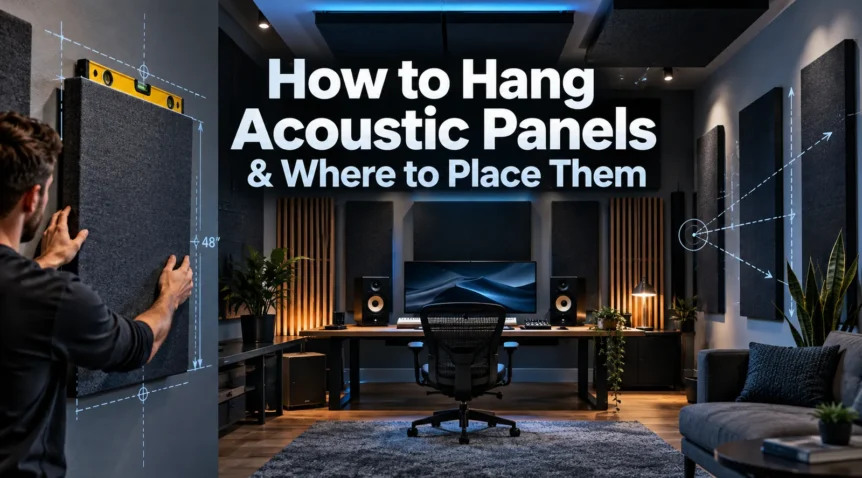
How to Hang Acoustic Panels & Where to Place Them

Acoustic panels hang a lot like heavy pictures, but where they go matters more than how they go up. This guide shows how to hang acoustic panels with impaling clips and the other common mounting methods, then where to place them on walls and ceilings for the most effect. It also covers panels for a recording studio, how many panels a room needs, and whether acoustic panels really work.

Continue Reading
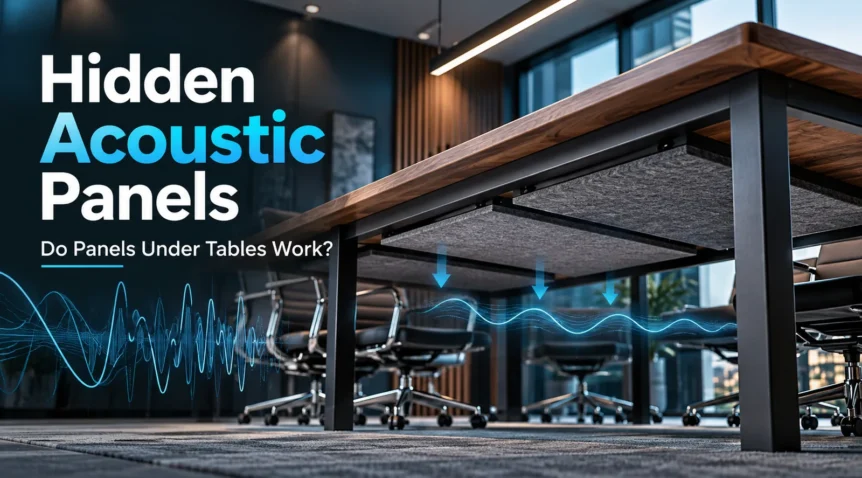
Hidden Acoustic Panels: Do Panels under Tables Work?

Exposed ducts, brick, and big windows look great in a restaurant or office, and they’re exactly why the room is so loud. Hidden panels under tables can help without changing the look. This guide shows how much under-table absorption really adds up to, how to mount panels under tables, and which hidden and concealed ceiling options still work. It also covers where hiding panels doesn’t work at all.

Continue Reading
How to Make DIY Acoustic Panels: Materials, Build Steps, & Cost

A good acoustic panel is just a wood frame, a slab of dense insulation, and breathable fabric. This guide covers the best materials for DIY acoustic panels, then shows how to build them step by step, including ceiling panels and clouds. It also shows how to make homemade panels look good, compares DIY with buying finished panels on cost and time, and explains how many you need and where to hang them.

Continue Reading
Gym Acoustic Panels: How to Reduce Echo in a Gymnasium

Whistles, bouncing balls, and crowds echo off a gym’s hard floor, block walls, and steel roof until no one can hear the coach. This guide explains why gyms echo and compares acoustic wall panels, hanging baffles, and ceiling clouds. It shows how many panels a gym needs, where to put them so they stay out of the way of balls, what they cost, and what works in home gyms and fitness studios.

Continue Reading
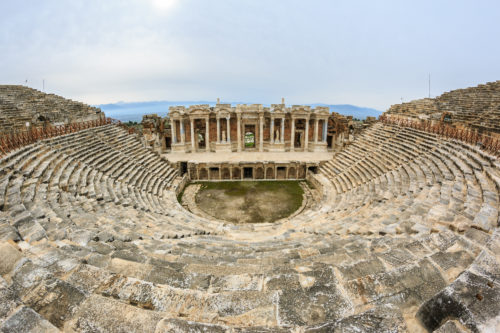
Ancient Acoustics: How Ancient Theaters Carried Sound Without Microphones

More than 2,000 years before microphones, Greek and Roman theaters let crowds of 10,000 people follow a play from the back row. This guide looks at how the theater at Epidaurus carried sound, whether actors’ masks amplified their voices, and Vitruvius’s sound vases in Roman theaters. It also asks whether ancient theaters were really that good, and what modern rooms can still learn from ancient acoustic design.

Continue Reading
Decorative Acoustic Panel Ideas: How to Make Acoustic Panels Look Good

Acoustic panels fix echo, but nobody wants a room that looks like a recording booth. The fabric face barely affects how well a panel works, which leaves a lot of design freedom. This guide covers color-matched fabric panels, DIY sound absorbing wall art, design ideas by room, layouts and arrangements, and facings like wood slats and cork. It also explains what not to do, like painting panels or using solid covers.

Continue Reading
How to Reduce Reverberation in a Room: Echo vs. Reverb Explained

If a room sounds loud and muddy and voices seem to hang in the air, you’re hearing reverberation, not echo. This guide explains the difference, what reverberation time (RT60) means, and how to measure it in your room. It also covers what reduces reverberation, from wall panels to ceiling clouds and baffles, how much absorption your room needs, and which common fixes don’t work at all.

Continue Reading