Table of Contents
Why Noise Costs Airbnb Hosts Bookings
For an Airbnb or VRBO host, a good night’s sleep is the product. A guest who hears footsteps overhead at 6 a.m. or the host’s TV through the wall doesn’t complain to you. They mention it in the review, and the next guest reads it.
The biggest noise problem in vacation rentals is not traffic. It is noise between the host and the guests: a basement suite under the owner’s kitchen, an upstairs unit over the family room, or a condo with neighbors on every side. That is where this guide starts.
Quick answer To soundproof an Airbnb, start with the floor or ceiling between you and your guests: underlayment under the floor above, and insulation, mass loaded vinyl and resilient channel in the ceiling below. Then seal the bedroom doors and windows, add mass to shared walls, and set quiet hours with a noise monitor for loud guests.
Soundproofing Between Floors in an Airbnb
A typical wood-framed floor is a thin layer of flooring and plywood on joists, often with nothing between the joists and only drywall underneath. It carries two different kinds of noise, and each needs its own fix:
- Footsteps and dropped objects (impact noise). The floor itself is struck and the joists carry the vibration to the ceiling below. Fix it at the source with underlayment under the floor above, and by separating the ceiling below from the joists.
- Voices, TV and music (airborne noise). Sound passes through gaps and light materials. Fix it with insulation between the joists, a layer of mass, and sealing every light and vent.
From above, if you are replacing the floor, put a sound underlayment under it. Floor Blokker is a 1/4″ mat with a 0.75 lb/sf mass loaded vinyl layer, rated for IIC 50+ under hardwood and laminate, at $240 per 100 sq ft. AcoustiStep underlayment is a rubber mat from $68 that suits wood and laminate floors. Floor Blokker is not made for ceramic tile or thin vinyl plank. If you are keeping the existing floor, thick rugs on a dense rug pad in the rooms above the guest bedrooms are the next best thing.
From below, which is often easier in a basement suite:
- Remove or open the ceiling drywall and fill the joist cavities with sound insulation.
- Fix mass loaded vinyl ($199 per 100 sq ft) across the joists, taping the seams with MLV seam tape.
- Hang the new drywall on resilient channel or isolation clips, so it is not screwed straight to the joists. This is what cuts footstep noise from below.
- Seal the edges and every opening with acoustical caulk. Recessed lights and heating vents are the most common leaks. Use surface-mounted lights over the guest bedrooms if you can.
Soundproofing Airbnb Bedrooms and Shared Walls
If you only have the budget for one room, do the guest bedrooms. That is where noise turns into bad reviews.
- Doors. Swap hollow-core bedroom doors for solid-core ones, and add perimeter seals and a door sweep or automatic door bottom. A door between the guest suite and the host’s space needs this most.
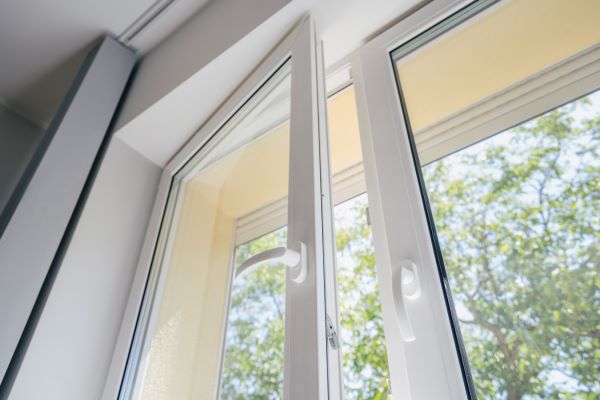
- Windows. A window insert (a second pane fitted inside the existing frame) blocks far more street noise than curtains. Caulk the gap between the window frame and the wall.
- Shared walls. Add a layer of mass loaded vinyl or Wall Blokker ($219 per 100 sq ft) under new drywall on walls shared with the host’s space or the next unit. A 1 lb/sf layer adds 10 or more STC points to a stud wall. Caulk the edges and wrap back-to-back outlets.
- Headboards go on walls that don’t back onto a living room, a kitchen or another bedroom.
Soundproofing a Beach Condo or Rental Without Damage
Beach condos have neighbors on every side, thin sliding glass doors, and HOA rules that often stop you opening walls or ceilings. These fixes come out without major damage:
- Window and slider inserts that press into the existing frame and come out again. They work far better than curtains against wind, waves and the pool deck.
- Door seals and sweeps on the entry door and bedroom doors, which stick or screw on.
- Rugs on thick pads for the unit below you, and to cut echo on tile floors.
- Acoustic panels for echo in open-plan living rooms. Our sound absorbing wall panels hang on impaling clips held by a few screws, so they come down leaving small holes that patch easily. They start at $109. Panels make a room quieter inside but don’t stop sound passing through the wall.
- Ask the HOA about the floor. Many condo associations require an underlayment rated IIC 50 or better when owners replace flooring. If you are redoing the floors anyway, Floor Blokker is made for exactly that requirement.
Soundproofing a Vacation Cabin or Holiday Chalet
Cabins and holiday chalets have their own problems. Interior walls are often a single layer of wood paneling, lofts and upstairs bedrooms open onto the living room, and all that timber and glass makes rooms echo.
- Lofts that open to the living room can’t be soundproofed while they stay open. A wall or door at the top of the stairs is the only real fix.
- Thin paneled walls between bedrooms benefit from mass loaded vinyl behind the paneling, with insulation in the cavity, when you next open them up.
- Echo in open, wood-lined rooms is controlled with a few acoustic panels. Spread them out at ear height rather than grouping them.
Vacation Rental Noise: When Guests Are the Noise
Sometimes the problem is guests making noise, not hearing it. Neighbor complaints can cost you your listing, and some cities now require short-term rentals to have a noise plan or monitor to get a permit.
- Noise monitors measure the sound level in the rental without recording audio, and alert you when it stays loud. Airbnb allows them as long as they don’t record audio and are disclosed in the listing. Check VRBO’s current rules before adding one there.
- Quiet hours in the house rules and on a sign by the door, so guests know before they arrive.
- Soundproofing still helps. The same floor, wall and door work that keeps noise away from guests keeps their noise away from the neighbors.
Cheapest Ways to Soundproof a Vacation Rental
Spend in this order. The first rows cost little and fix the complaints hosts hear most. Work at the bottom of the table is best done at the next renovation.
| Fix | What it stops | Cost |
|---|---|---|
| Caulk gaps, seal outlets and light fixtures | Voices through small openings | $ — $17.99 a tube of caulk |
| Rugs on thick pads upstairs | Some footstep noise | $ |
| Door seals, sweeps and solid-core bedroom doors | Noise between the host and guest spaces | $$ |
| Window inserts in guest bedrooms | Street, wind and pool noise | $$ |
| Underlayment under new flooring | Footsteps to the unit below | $$$ — $240 per 100 sq ft of Floor Blokker, plus the floor |
| Insulation, MLV and resilient channel in the ceiling below | Footsteps and voices from above | $$$ — $199 per 100 sq ft of MLV, plus insulation and drywall |
For more on sealing gaps and fixing doors, see how to soundproof a music room. The same steps work on a guest bedroom.
Frequently Asked Questions
How do you soundproof between floors in an Airbnb?
From above, put a sound underlayment such as Floor Blokker under new flooring, or thick rugs on dense pads over the existing floor. From below, fill the joists with insulation, add mass loaded vinyl, hang the drywall on resilient channel, and seal around lights and vents. Underlayment and resilient channel cut footsteps; insulation, MLV and sealing cut voices.
What is the cheapest way to block sound in a room?
Seal the gaps. Acoustical caulk around the edges of the walls, outlets and light fixtures, plus a seal and sweep on the door, cost little and stop much of the sound that gets through small openings. Heavier fixes like mass loaded vinyl come after that.
Can you soundproof a room that is already built?
Yes. You can seal gaps, upgrade the door, add window inserts and add mass loaded vinyl over the existing drywall with a new layer of drywall on top. For floors, work from the room below by adding insulation, MLV and resilient channel to the ceiling.
Are there rental-friendly acoustic panels?
Yes. Fabric-wrapped panels that hang on impaling clips come down leaving only a few small screw holes. They reduce echo inside a room, which helps tile-floored condos and open-plan cabins, but they don’t block sound passing through walls.
Can you use a noise monitor in an Airbnb or VRBO?
On Airbnb, yes, as long as it measures sound levels without recording audio and you disclose it in the listing. VRBO has its own device rules, so check them first. Noise monitors alert you when a rental stays loud, which helps prevent neighbor complaints. They work alongside soundproofing, not instead of it.