
Table of Contents
Where Neighbor Noise Gets In
Neighbor noise reaches you in two forms. Airborne noise (voices, TV, music, a barking dog) travels through the air and through gaps, light walls and windows. Impact noise (footsteps, dropped objects, a slammed door) shakes the building itself and travels through floors and framing. Each one needs a different fix, and the path matters as much as the noise.
- Through a shared wall in a townhouse, duplex or apartment.
- Through the floor or ceiling from an upstairs or downstairs neighbor.
- Through windows and doors from next door or the street.
- Over the fence from the yard next door.
Quick answer To block noise from neighbors, seal the gaps first, then add mass to the wall, floor or ceiling the noise comes through, such as mass loaded vinyl under new drywall. For windows, use inserts; for doors, seals and a door sweep. Outside, a solid fence at least 6 ft tall with a barrier on it blocks yard noise.
How to Block Noise From Neighbors Through Walls
A shared wall in a townhouse or apartment is often just a single layer of drywall on each side of the studs. That stops quiet conversation but lets a TV or music straight through. Upgrade it in this order:
- Seal the gaps. Outlets and switches on a shared wall are often back to back with your neighbor’s, which leaves a near-open path. Caulk around every box and the wall edges with acoustical caulk ($17.99 a tube).
- Add mass over the existing wall. Screw Wall Blokker ($219 per 100 sq ft) or 1 lb/sf mass loaded vinyl ($199) through the drywall into the studs, tape the seams with MLV seam tape, and cover it with a new layer of drywall. One layer adds 10 or more STC points to a stud wall.
- For loud music or bass, use Wall Blokker PRO ($299), which adds 3–5 STC points more than standard MLV, and hang the new drywall on resilient channel.
Bookshelves, rugs and acoustic panels on a shared wall make your room less echoey, but they add almost no mass, so the neighbor’s TV still comes through. For a side-by-side of what each material actually does, see the best soundproofing material.
Upstairs and Downstairs Neighbor Noise
- Footsteps from above are best stopped at the floor above, with an isolation underlayment such as Floor Blokker (IIC 50+, $240 per 100 sq ft) under the upstairs flooring. In a condo, ask the HOA: many require an underlayment when floors are replaced.
- From your side of the ceiling, fill the joists with insulation, add a layer of MLV, and hang new drywall on resilient channel. Seal around every light and vent.
- For the neighbor below, rugs on thick pads and an underlayment under any new flooring cut the footstep noise you send down.
The ceiling method is covered step by step in soundproofing between floors.
Blocking Neighbor Noise Through Windows and Doors
- Window inserts press into the existing frame and add a second, sealed pane. They block far more than curtains and come out without damage.
- Caulk the window frame where it meets the wall. Gaps hidden behind trim leak more than the glass.
- Entry and patio doors need perimeter seals and a door sweep or automatic door bottom. A hollow door facing the neighbor’s side is worth swapping for solid core.
Outdoor Sound Barrier for Noisy Neighbors
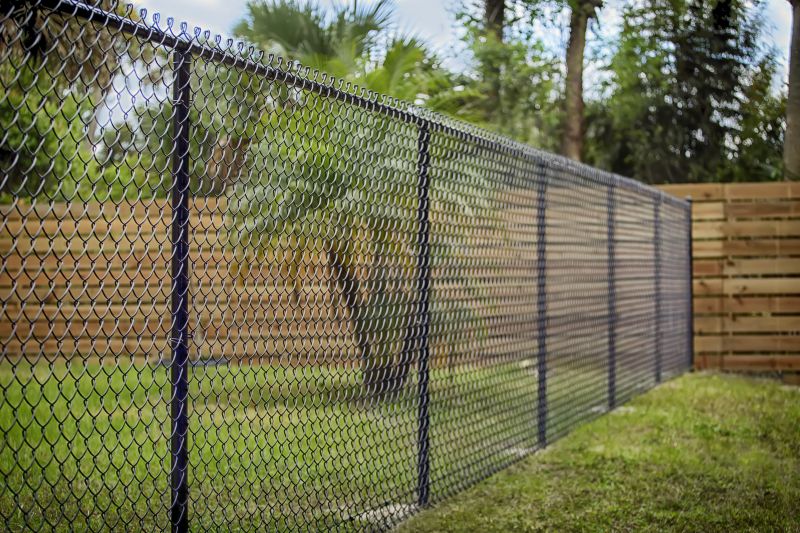
Noise from the neighbor’s yard, such as dogs, parties, pool pumps and kids, comes over and through the fence. A chain link fence does nothing to block it. Wood and vinyl privacy fences help some, but most have gaps between boards and at the bottom, and they are light.
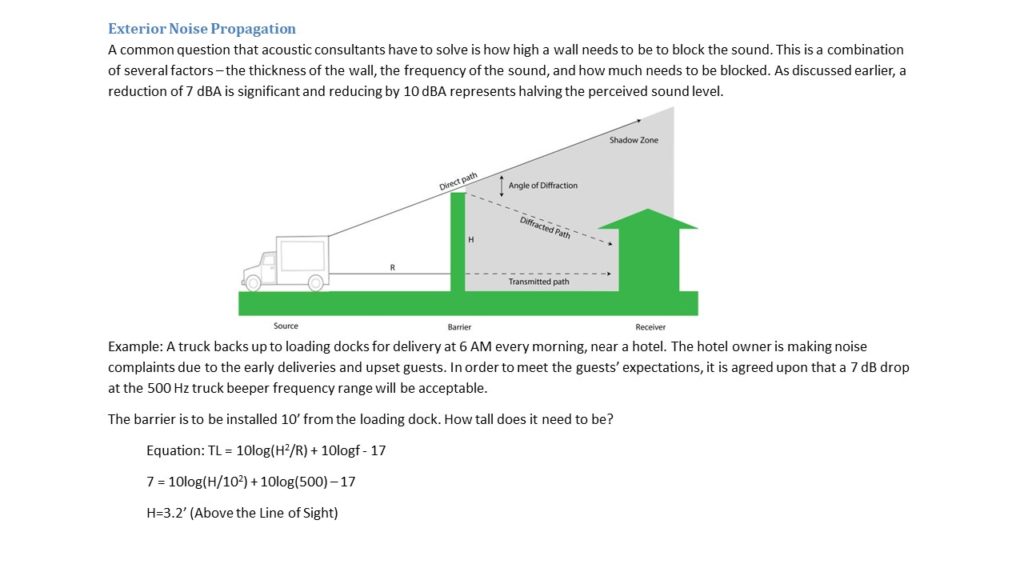
- Height matters most. A barrier only works if it blocks the line of sight between the noise and you. Sound bends over the top, so the fence needs to be at least 6 ft tall, and up to 12 ft where you can build it. The taller the fence, the better.
- Make it solid and gap-free. Hang Fence Blokker on the existing fence. It is an outdoor, UV-stable mass loaded vinyl in 4.5 ft × 60 ft rolls, or cut to size with grommets, and it closes the gaps while adding mass.
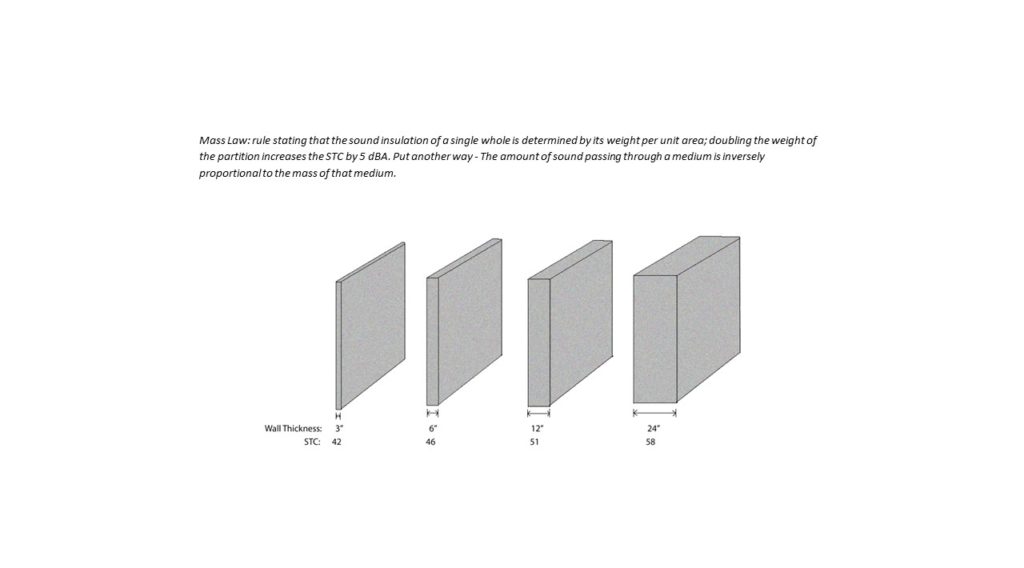
- Thicker helps, but with diminishing returns. Doubling the thickness of a solid wall doesn’t double the blocking: a concrete wall goes from about STC 42 at 3″ to STC 58 at 24″. Past a point, extra height does more than extra thickness.
- Put the barrier close to the noise or close to you, not halfway, for the biggest effect.
Materials, heights and costs for fences and walls are compared in detail in the best outdoor soundproofing material.
Blocking Neighbor Noise When You Rent
If you can’t open walls, focus on what comes back out when you move:
- Stick-on door seals and a sweep on the entry door and the bedroom door.
- Window inserts on the side facing the noise.
- Move the bed and desk away from the shared wall. A closet full of clothes on that wall is a useful buffer.
- Thick rugs on dense pads to cut footsteps for the neighbor below.
- Ask the landlord about sealing back-to-back outlets. It’s a small job that makes a real difference.
How to Drown Out Noisy Neighbors
When blocking isn’t possible, covering the noise helps. A steady sound makes voices and music from next door harder to pick out, which is what keeps you awake.
- White noise machines or a fan in the bedroom.
- A small water feature or fountain outside to cover yard noise while you’re in your own yard.
- Earplugs or noise-cancelling headphones for steady, low noise like a neighbor’s AC unit.
Noise Ordinances and Noisy Neighbors
Before anything else, a friendly conversation solves more neighbor noise than any product. If that doesn’t work, check the noise ordinance in your area. Municode lets you look up the noise rules for most US cities and counties.
Noise ordinances aren’t as straightforward as you might think. Most set a limit on the average sound level over a period of time and often quiet hours at night. For example, an ordinance might say noise can’t exceed an average of 70 decibels over an hour. To show a violation, you would need a sound level meter that measures and records over that hour. Your local code enforcement office or non-emergency police line handles complaints.
Frequently Asked Questions
How do you block noise from neighbors?
Find the path first: a shared wall, the floor or ceiling, a window, or the yard. Seal the gaps on that side, then add mass, such as mass loaded vinyl under new drywall on a shared wall or an underlayment under the floor above. Use window inserts and door seals for openings, and a tall, solid fence outside.
How do you block noise from neighbors outside?
Use a solid fence at least 6 ft tall that blocks your line of sight to the noise, with no gaps. Hanging an outdoor mass loaded vinyl barrier like Fence Blokker on an existing fence closes the gaps and adds mass. Height matters more than thickness.
Can you soundproof a shared wall?
Yes. Seal the outlets and edges with acoustical caulk, then screw mass loaded vinyl through the existing drywall into the studs, tape the seams, and add a new layer of drywall. One layer of 1 lb/sf MLV adds 10 or more STC points to a stud wall.
How do I stop hearing my upstairs neighbor?
Footsteps are best stopped with an underlayment under the floor upstairs, so ask the neighbor or HOA. From your side, insulation, mass loaded vinyl and a ceiling hung on resilient channel cut both footsteps and voices. Seal around ceiling lights and vents.
How can I drown out noisy neighbors?
A white noise machine or fan makes voices and music from next door hard to pick out. Outside, a small fountain covers yard noise. Masking works best alongside sealing and blocking, not instead of them.